

Work · Case study
Little Bean
A song I wrote for my daughter — built in Suno, finished in Ableton, now restarting as a Higgsfield music video that Kling 3.0 spooked me into believing was possible. Family-first; no rush.
The song
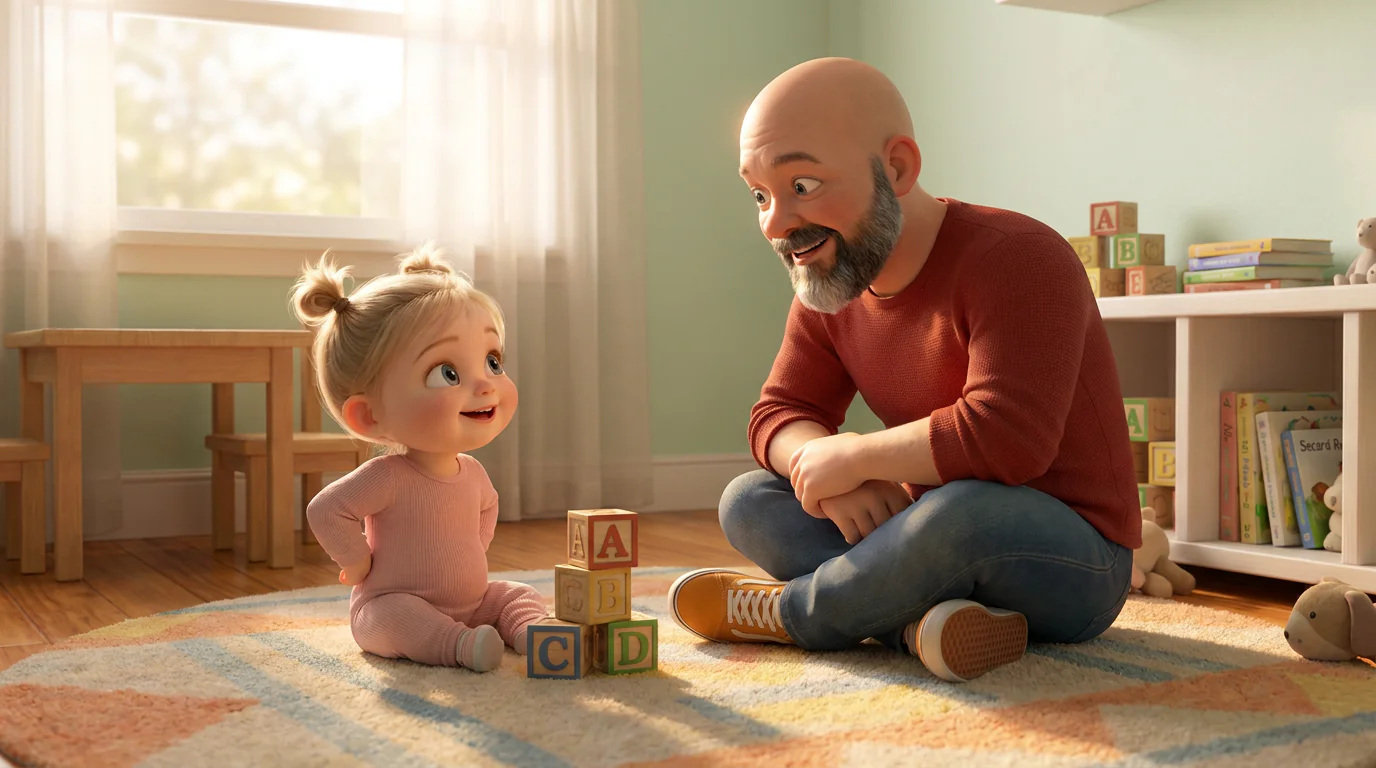
A short ukulele track for my daughter. The idea came right before bed. The lyrics came almost all at once after.
The chorus is the song’s thesis:
I didn’t expect her
I hope to god I can protect her
I’m not so sure I’m cut out for this
But there’s nothing I care to miss
I’ll have to rise to meet her where she is
Worth a footnote on the first line: I didn’t expect her isn’t a “we weren’t planning her” line — we were deliberate parents — it’s a line about not having had any way to anticipate her. Her personality, her spirit, the gravitational pull of who she’d turn out to be. Having a kid is some kind of spiritual magic and I don’t really know how else to describe it.
Why a song at all
My wife had already written and produced a stack of songs in Suno. I’d written exactly one. I thought: what if I wrote one for her. It just came out.
I’d been around her process — and the broader Suno-studio kick we’d both been on at the end of 2025 — without writing much of my own. Writing for her was the one that worked. She’s a muse, I guess. Which is the obvious thing to say about your own child and probably also the true thing.
The arrangement
Suno couldn’t get the song where it needed to be. I burned through arrangements, landed on “simple ukulele, bedroom rock,” exported the stems, added a toy glockenspiel in Ace Studio, and finished in Ableton Live.
I tried a handful of genre prompts in Suno before simple ukulele, bedroom rock finally clicked. The problem after that was elevation — every attempt to dress it up inside Suno distorted what had just landed. So I exported the stems and brought them into Ace Studio, where I added a toy-glockenspiel layer to give the chorus a little of the spiritual-magic glint the lyrics were reaching for. From Ace I moved into Ableton Live, which is where my skills and plugins live, for the finishing pass. My wife had an AI mastering service in her workflow; I used hers. Credit her on the account, the mastering, and the apprenticeship by osmosis.
The final Ableton and Ace Studio project files are gone, incidentally. I had to reformat and reinstall macOS some time after finishing, and I’d treated the music project as casual enough not to belong in Dropbox alongside client work. Lesson learned — music playtime is going on the RAID alongside the video playtime from now on.
Kling 3.0 spooked me
I’d tried a Runway pass on a music video around the time the song was first done. Ten minutes in I gave up. When Kling 3.0 dropped, I got scared in the right way — it was so good and so flexible I figured I could finally make this.
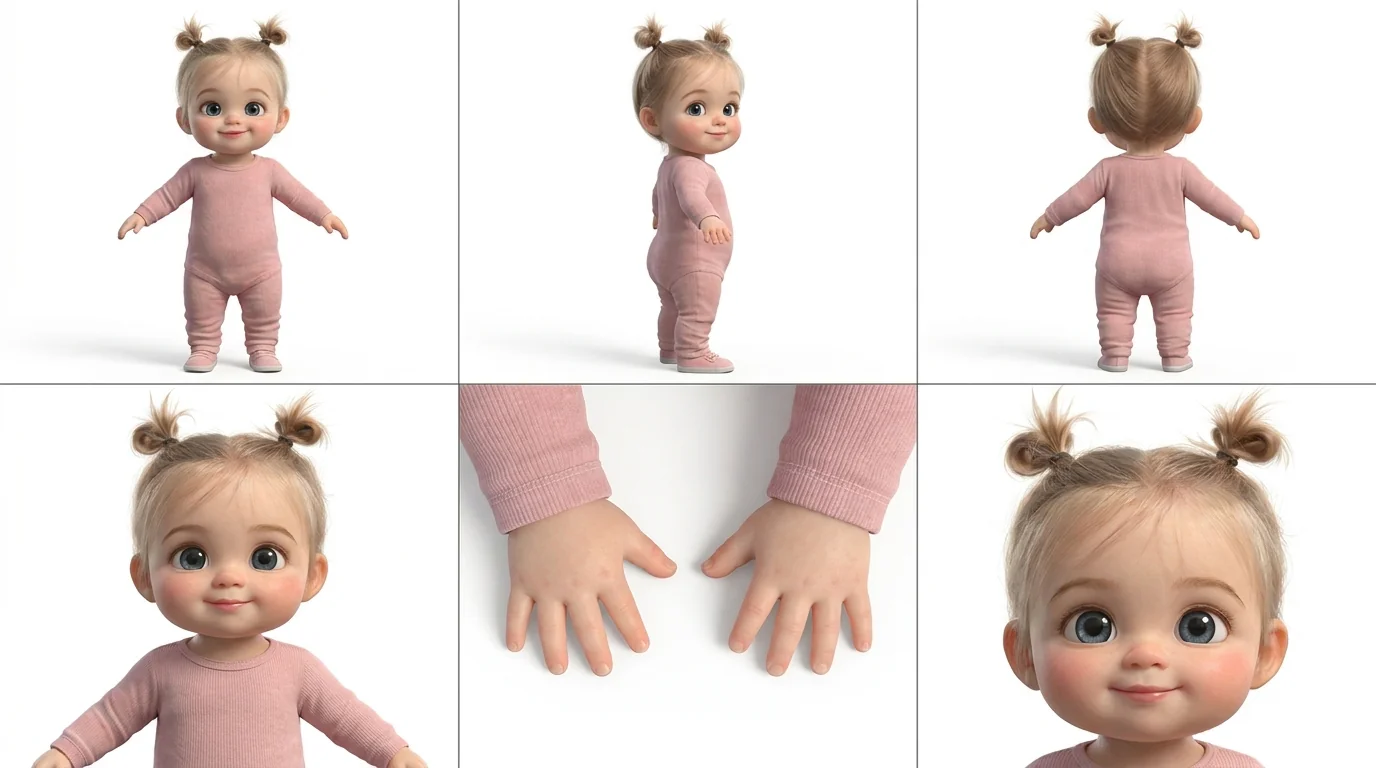
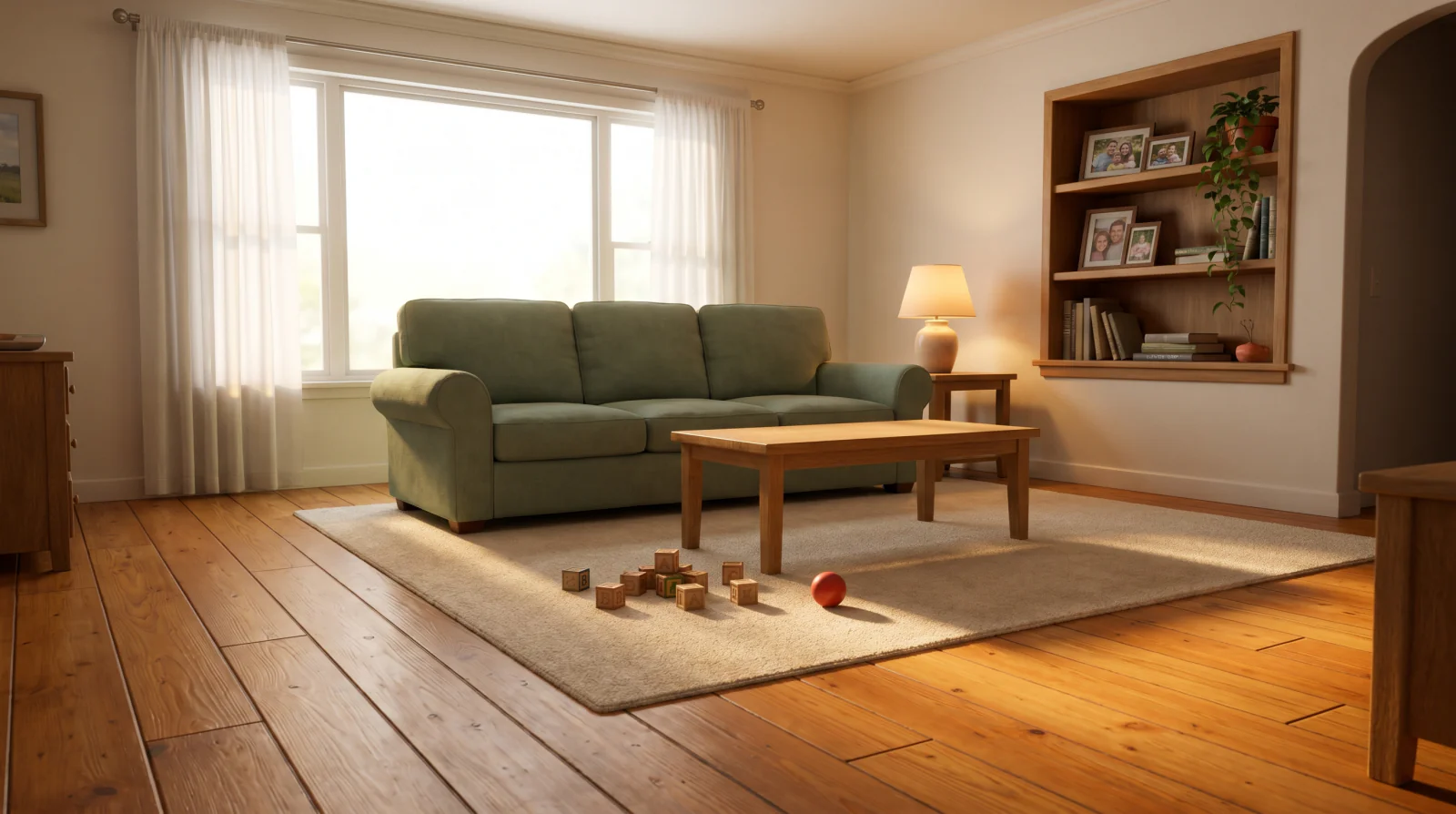
Something about the Kling 3.0 launch flipped the project from shelve this to okay, this is possible now. Not a confident shift — more a crap, the tools have moved past my excuse shift. The fear that the medium has lapped you is a useful motivator. The current build is running through Higgsfield via its MCP server, in a dedicated chat. The folder shape is exactly what the cinema-worldbuilding pattern wants: locked character sheets for the three principals — Bean, Dad, Mom, with outfit variants — then a library of scene plates (car interior, kitchen, dining, living room, playroom, tropical, zoo) built before any motion happens. Animations come next. We’re not there yet.
What the video is
A modest day-with-the-family arc, with one piece of animation magic when she takes my finger to lead me somewhere.
The arc, loose:
- Open on me on the floor with her, just watching her have fun.
- Cut to her getting to her feet, wobbly but effective, pointing at a toy she wants me to hand her. (She still does this. The lyrics are already old in toddler years.)
- Family drive — me at the wheel, mom riding shotgun, Bean in her car seat in the rearview. This lands on I hope to god I can protect her.
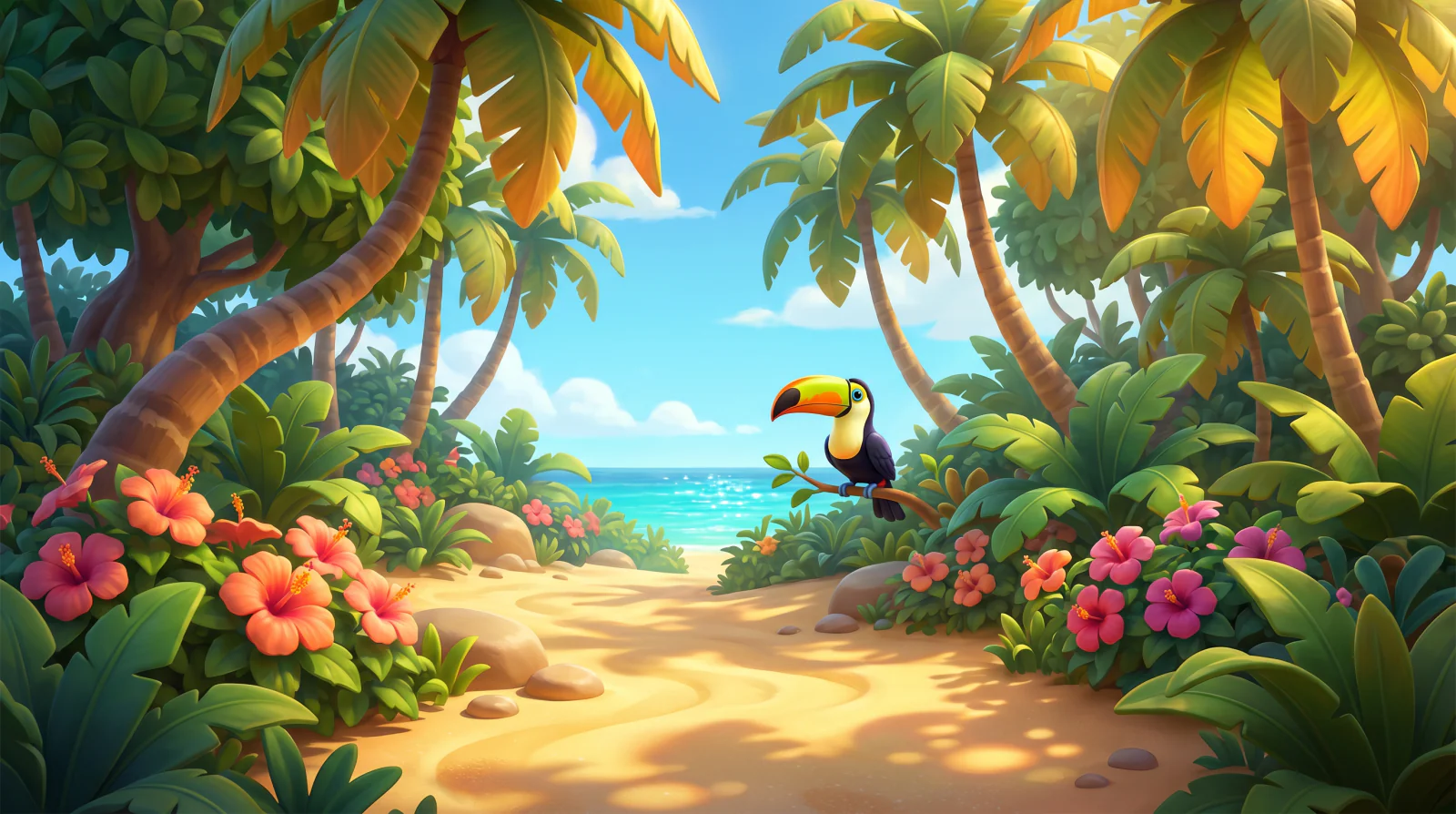
- Back to the kitchen of the house. She takes my finger and leads me around the island; the way she makes a big deal of the trip makes it land. The animation transforms the kitchen into a tropical island mid-walk.
- Ends at the zoo, the three of us walking in together.
Basic family stuff with one piece of magic in the middle. That’s the brief.
About the name
“Little Bean” is what we call her. Also: Bean, Dr Bean, Beans, Beans McGee.
Little Bean started as the working title of the song and stayed the final one because she’s been Bean since before she had a personality. The family naming sprawl has gone unchecked from there.
Where it lives
The song is finished and on my drive. The video doesn’t have a release plan, and I’m comfortable with that.
I don’t really care whether either gets any visibility beyond my own site. Both are for her and for the family. The thing I was after on the song side was getting it to a place I could be proud of, and it’s there. On the video side, I’m taking my time because the only thing that can go wrong with waiting is GenAI getting better. There’s no rush.
What this was actually about
The only project in this case-study set that wasn’t trying to prove anything. It’s a song for my kid.
Every other piece in this collection has a meta-lesson — skill first, drop fast, build the experiment where the stakes are yours. Little Bean doesn’t. I learned a few things in the making of it — about Suno’s ceiling, about exporting stems the moment an arrangement clicks, about not trusting tools as good as Kling 3.0 to stay impressive, about backing up music projects — but the project isn’t a vehicle for any of that. It’s a song for Bean that I’d be making whether or not it lived on a portfolio. The portfolio just happens to be a convenient place to keep a copy for her later.